

 Image 1 of 1
Milk Chocolate · Strawberry · Vanilla · Citrus
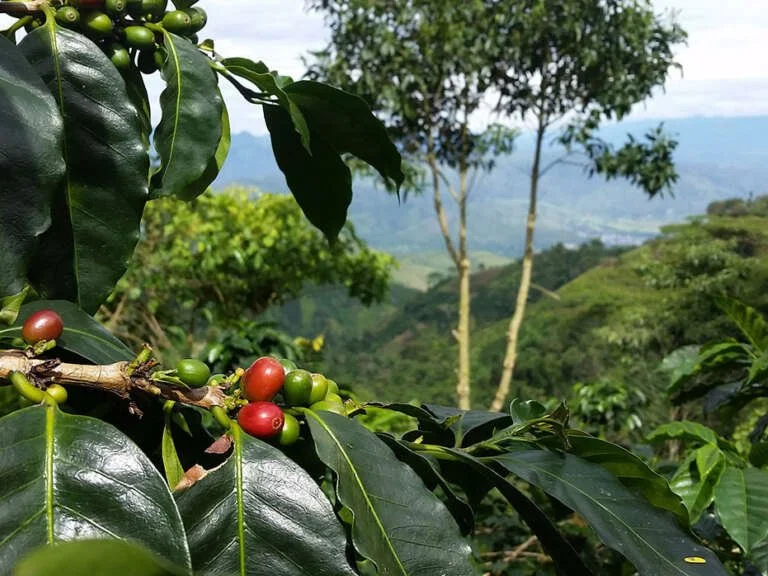
Coffee from small farms in Colombia’s Valle de Cauca, decaffeinated using the sugarcane ethyl acetate (EA) process. Roasted to order in your choice of Medium or Dark.
Process: Washed · Sugarcane EA decaffeination
Elevation: 1,750 meters above sea level
Varieties: Bourbon · Castillo
One full pound (16 oz / 454 g). Available whole bean or ground for your brewing method. Available in medium and dark roast.
Tasting notes describe the coffee’s character and vary with roast level.
Beyond the label: Sugarcane is readily available in Colombia, and its application to the coffee industry was a game-changer. Ethyl acetate is an organic compound found in sugarcane, and the decaffeination process begins with the fermentation of molasses derived from sugarcane to create ethanol. This alcohol is then mixed with acetic acid (the main component of vinegar) to create the compound ethyl acetate.
In a direct solvent-based process, low-pressure steam opens the pores of the coffee beans. Then the beans are soaked in a solution of water and ethyl acetate. The solvent binds to the salts of chlorogenic acids and allows the removal of caffeine. After flushing the beans with ethyl acetate repeatedly, up to 97% of the caffeine is extracted. Because ethyl acetate comes from sugarcane and is an organic compound that can effectively remove caffeine, the coffee’s flavor attributes are not extracted.